What Are Waterborne Infections?
Waterborne infections are illnesses caused by germs found in unsafe water. These germs can include bacteria, viruses, or parasites. When people drink, cook with, or touch contaminated water, they may get sick. Children and adults are both at risk. However, children often get sick more easily. Because waterborne infections can spread quickly, it is important to know how to prevent them.
Common Symptoms in Children and Adults
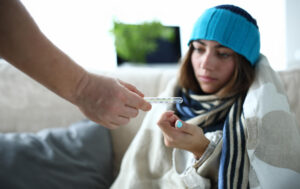
Waterborne diseases can cause many symptoms. While some signs are mild, others can be serious. For example, children may get sick faster than adults. But both groups can have similar symptoms. Watch for these signs:
If symptoms last more than a day or get worse, seek medical help. Early treatment can prevent serious problems.
Major Causes and Risk Factors
Many things can cause waterborne infections. Often, germs enter water from human or animal waste. Sometimes, rain or floods can carry these germs into wells, rivers, or pipes. In some areas, old or broken water systems increase the risk. Here are some common causes and risk factors:
Because children have weaker immune systems, they are at higher risk. But adults can also get sick, especially if they have other health problems.
How to Prevent Waterborne Infections
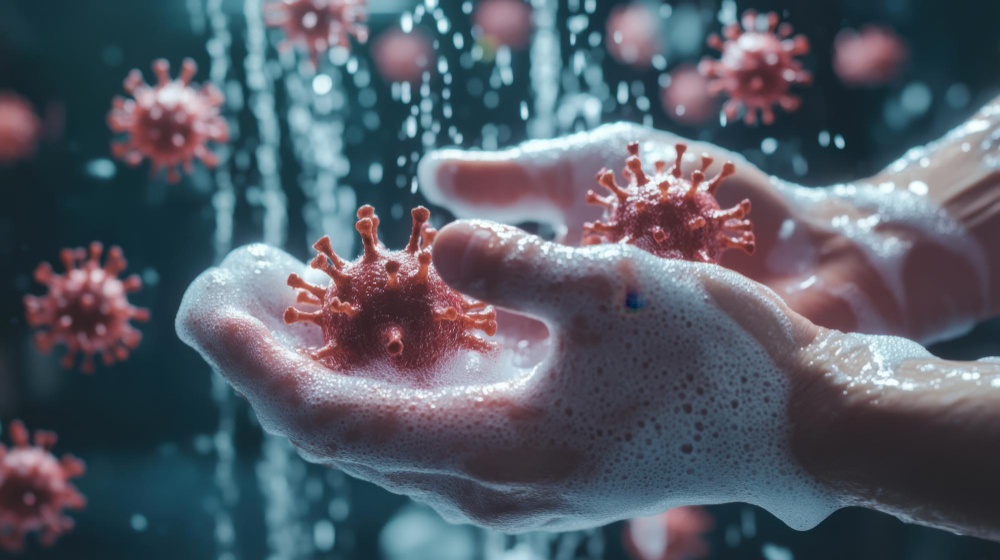
Thankfully, you can take simple steps to protect your family. For example, always use safe water for drinking and cooking. In addition, good hygiene helps stop the spread of germs. Here are some essential tips for preventing waterborne infections:
Because prevention is easier than treatment, follow these steps every day.
Safe Water Practices at Home and in the Community
Safe water practices help protect everyone. At home, always store water in clean, covered containers. In rural areas, use wells or pumps that are far from toilets or animal pens. In cities, check for leaks or broken pipes. Here are more ways to keep water safe:
Because everyone uses water, working together keeps the whole community healthy.
When to Seek Medical Help
Sometimes, waterborne infections can become serious. If you or your child have severe diarrhea, high fever, or signs of dehydration, get medical help right away. For example, if a child cannot keep fluids down or seems very tired, call a doctor. Early care can prevent problems and save lives.
For personalized advice on preventing waterborne infections, consult a healthcare professional.