
Introduction
Typhoid is a serious infection caused by bacteria called Salmonella Typhi. Spotting typhoid early is important because it helps prevent severe illness and spread. Early detection allows for quick treatment, which can save lives. Typhoid is common in areas with poor sanitation, but anyone can get it. Knowing the early signs and what to do next can make a big difference.
Symptoms of Typhoid
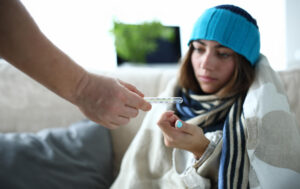
Typhoid symptoms often start slowly. However, they can get worse if not treated. Early signs may look like other common illnesses, so it is important to pay attention. Here are some early symptoms to watch for:
Sometimes, a rash with flat, rose-colored spots appears. But this is less common. If you notice these symptoms, especially after travel or eating unsafe food, seek medical help right away.
Causes and Risk Factors
Typhoid spreads through water or food contaminated with the stool of an infected person. Because of this, it is more common in places with unsafe water or poor hygiene. However, anyone can get typhoid if exposed. Key risk factors include:
Children are at higher risk because their immune systems are still developing. But adults can also get sick, especially if they have not been vaccinated.
Diagnosis
Early diagnosis of typhoid is key to fast recovery. Doctors will ask about your symptoms and recent travel or food history. Then, they may order tests to confirm typhoid. Common diagnostic methods include:
According to the World Health Organization (WHO), early testing helps prevent complications and spread to others.
Treatment
Doctors treat typhoid with antibiotics. These medicines kill the bacteria and help you recover faster. It is very important to take all the medicine, even if you feel better. Stopping early can cause the infection to return or become harder to treat. In some cases, people may need fluids through an IV if they are very sick. The Centers for Disease Control and Prevention (CDC) recommends seeing a doctor as soon as you notice symptoms.
Home and Lifestyle Care
While you recover at home, good care can help you feel better. Here are some tips:
If you have trouble drinking or keeping food down, contact your doctor right away. Sometimes, you may need to go to the hospital for extra care.
Prevention
Preventing typhoid is possible with simple steps. Here are some ways to protect yourself and your family:
According to the CDC, vaccination is a safe and effective way to lower your risk of typhoid.
Conclusion
Spotting typhoid early can help prevent serious health problems. If you notice symptoms like fever, headache, or stomach pain, see a doctor quickly. Early diagnosis and treatment are key to a full recovery. For more advice or if you have concerns, consult your healthcare professional for personalized care.